Impeachment Is the Remedy for Judges Who Usurp Authority

In a recent blatantly illegal ruling, an Obama-appointed federal judge interfered with the legitimate powers of the president.

In his ruling, District Court Judge James Boasberg ordered the Trump administration not to deport a group of Venezuelan nationals who pose a danger to our country.

In an apparent attempt to thwart President Donald Trump’s agenda, the American Civil Liberties Union (ACLU) and other plaintiffs filed a lawsuit seeking judicial intervention in halting the removal of terrorist gang members from the United States.

Within a few hours of the filing, Judge Boasberg issued a ruling complying with the left’s request. He granted a restraining order that sought to prevent the administration’s implementation of the president’s proclamation for a time period of 14 days.

In a further overreach, the judge ordered an aircraft that was en route to deport the illegal immigrants to return back to the U.S.

“Any plane containing these folks that is going to take off or is in the air needs to be returned to the United States however that is accomplished,” Judge Boasberg wrote.

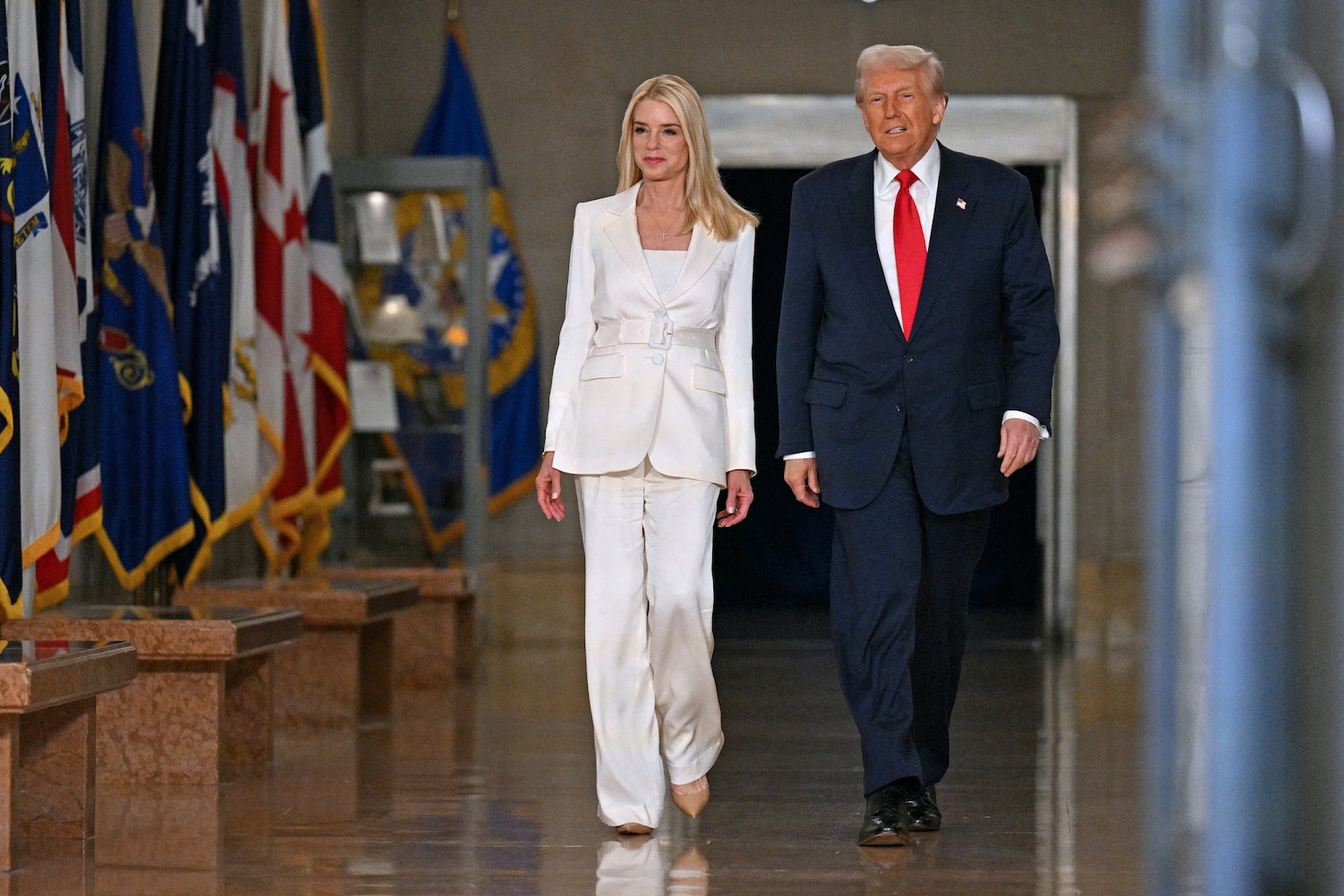
Attorney General Pam Bondi stated that the judge’s order “disregards well-established authority regarding President Trump’s power, and it puts the public and law enforcement at risk.”

In an emergency filing, the Trump administration appealed the order with the D.C. Circuit Court of Appeals so that Judge Boasberg’s order would be placed on hold.

The appeal noted that if the order were allowed to stand “district courts would have license to enjoin virtually any urgent national-security action just upon receipt of a complaint.”

Interestingly, the president hadn’t yet signed a proclamation on the matter at the time the lawsuit was filed by the ACLU and other left-wing groups.

The Trump administration was correct to point out the fact that halting a presidential act before it has been announced would neutralize the executive branch.

The Venezuelan nationals in question happen to be members of Tren de Aragua (TdA), an international gang that has officially been declared by the Trump administration to be a terrorist organization.

The gang became part of a national news story following last year’s armed takeover by TdA of apartment complexes in Aurora, Colorado. It continues to victimize numerous other cities across the country.

TdA is linked to a narco-terrorism enterprise based in Venezuela and sponsored by the Nicolás Maduro regime. Members continually exhibit unspeakably brutal behavior and are additionally involved in the facilitation of human trafficking, drug peddling, kidnapping, extortion, and other heinous activities.

In order to protect the public from the Venezuelan gang, President Trump has done what other presidents before him have also done. He has invoked the Alien Enemies Act of 1798.

Within his capacity as chief executive of the nation, President Trump possesses the explicit power, designated in Article II of the Constitution, to identify threats to the country and act accordingly to protect the American people.

In the proclamation, President Trump asserted that the regime of Venezuelan President Maduro “is a hybrid criminal state that is perpetrating an invasion of and predatory incursion into the United States, and which poses a substantial danger to the United States.”

Judge Boasberg has ordered members of the TdA gang to be brought back into our country. It is important to note this is the same judge who was in charge of the FISA Court, when that court was used to illegally spy on President Trump.

Judge Boasberg’s March 15 order was issued after Venezuelan gang members were already in transport via plane to the country of El Salvador.

“Today, the first 238 members of the Venezuelan criminal organization, Tren de Aragua, arrived in our country,” El Salvador President Nayib Bukele posted on X.

He added, “They were immediately transferred to CECOT, the Terrorism Confinement Center, for a period of one year (renewable).”

In response to Judge Boasberg’s order, President Bukele posted the following: “Oopsie… Too late.”

Congress is the branch that has within its power the ability to impeach federal judges who abuse their authority. It has done so in the past.

To this end, Rep. Brandon Gill, R-TX, indicated in a post on X that he will be filing the necessary paperwork to impeach Judge Boasberg.

Elon Musk reposted the tweet and wrote that the impeachment is “necessary.”

In my legal opinion, if ever there were a case in which a judge was deserving of impeachment, this is it.

Unfortunately, activist judges have increasingly been intruding upon executive authority.

Judge Boasberg’s ruling is one of the most egregious examples of the violation of the fundamental constitutional principle of separation of powers — that crucial system of checks and balances between the three branches of the federal government.

Judge Boasberg, you’ve earned it. And for the good of the country, hopefully you will soon own it.

Birthright Citizenship and Five Little Words

An activist federal judge has blocked a key executive order that was recently implemented by President Donald Trump.

The executive order that was signed by President Trump does away with birthright citizenship, i.e., the granting of full citizenship to the offspring of illegal aliens who are physically present in the United States.

The order is part and parcel of the president’s overall border reform package.

Several lawsuits have been initiated by states that are opposed to the order. In addition, the ACLU has taken it upon itself to be a representative for a number of left-wing groups in bringing legal action.

In my legal assessment, by issuing the executive order on birthright citizenship, President Trump is prompting the courts to clarify and rule on the language, meaning, and substance of what the law actually states.

For quite a long time government institutions have allowed policies to be implemented apart from the law, policies that deem all persons born in the U.S. to illegal alien parents are citizens.

However, the United States Constitution does not necessitate this policy. In fact, there is nothing in either the Constitution or in any federal statute that grants birthright citizenship to a child born in the U.S. to illegal alien parents.

What appears to be a complex issue actually isn’t. A look back at constitutional history provides quite a bit of insight and may help to clarify things.

The most repugnant decision in Supreme Court history took place in 1857, when the High Court issued its ruling on the Dred Scott v. Sandford case. The Court held that U.S.-born descendants of African slaves were not citizens.

In response to the Dred Scott decision, when the Civil War ended Congress did two things.

First, it passed the Civil Rights Act of 1866.

Second, the Fourteenth Amendment to the Constitution was drafted and passed, which took the protections of the Civil Rights Act and incorporated them into the text of the Constitution.

The goal was a singular one: To grant citizenship to formerly enslaved people.

The amendment does not say that all children born in the United States are citizens. The drafters of the amendment would have used different language if this were the intention. But they didn’t.

The Fourteenth Amendment, as approved and written, states the following: “[a]ll persons born or naturalized in the United States and subject to the jurisdiction thereof” are citizens.

It is important to note the conditional phrase “subject to the jurisdiction thereof.”

The original meaning of the phrase has to do with the concept of political allegiance.

Senator Lyman Trumbull, who was one of the principal figures involved in the drafting of the Fourteenth Amendment, spelled it out. Individuals who owed allegiance to or were subject to a foreign power were not granted citizenship by the amendment.

Clearly, the language of the Fourteenth Amendment didn’t apply to everyone born here. Children of tribally-affiliated Native Americans as well as diplomats were not included in the extension of citizenship, even if they were born in the U.S.

The historical reasoning that excluded tribally affiliated Native Americans and diplomats from birthright citizenship applies equally to those who are illegally present in our country today.

Why? Because illegal aliens are not “subject to the jurisdiction thereof” of the United States in that their first contact with the U.S. was an illegal act, and additionally they maintain citizenship with another country while illegally residing in the U.S.

In an apparent attempt to bolster their arguments, opponents of President Trump’s executive order bring up the 1898 Supreme Court ruling in United States v. Wong. This case involved a child born in the U.S. during a period when federal law barred Chinese immigrants from becoming naturalized citizens.

However, the High Court’s decision was predicated on the fact that the child’s Chinese parents were in the country lawfully and permanently. In other words, the case dealt with a child born to parents who were both legal immigrants.

Truth be known, the Supreme Court has never had to deal with a birthright citizenship case involving children born to parents living in the country illegally.

Looks like the High Court will have to now.

Hopefully, the Justices will be paying close attention to the 5 little words and will rule accordingly.

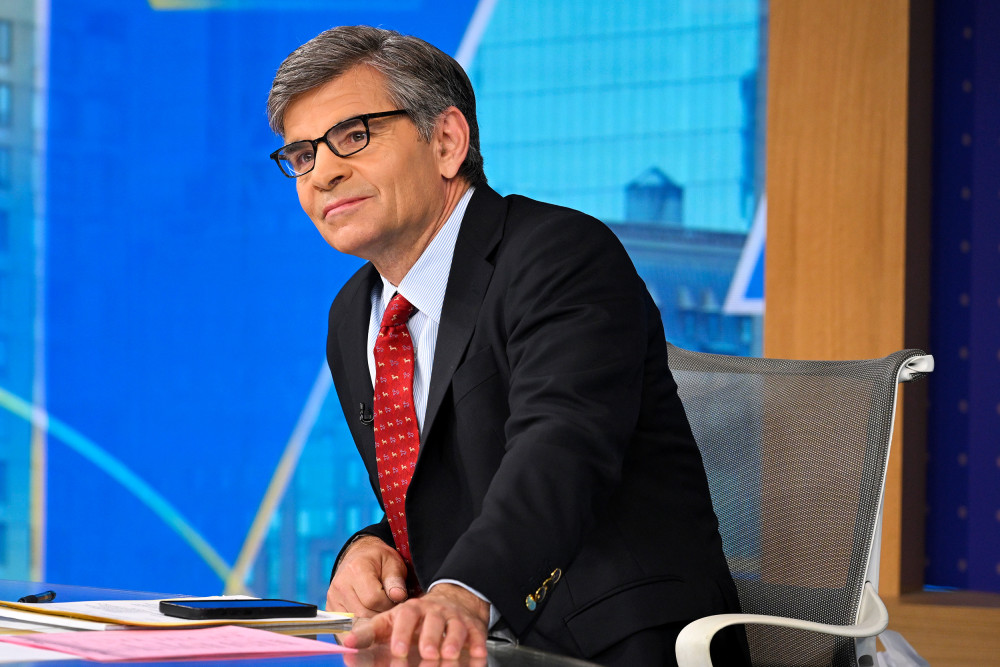
ABC News and Stephanopoulos Give Trump an Early Christmas

ABC News and anchor George Stephanopoulos recently settled a lawsuit with President elect Donald Trump.

The terms of the agreement have the defendants in the suit forking over $15 million to the incoming prez, the money being designated for a future presidential library or similar foundation.

Also included in the settlement is a forced payment of $1 million of Trump’s legal fees and a big crow-eating apology.

Trump had filed a lawsuit over an interview that Stephanopoulos had conducted with South Carolina congressional representative Nancy Mace.

During the Mace interview, the former Clinton administration operative repeatedly made the false allegation that Trump had been found liable for rape in a civil case that was initiated by E. Jean Carroll and took place in a New York courtroom earlier in the year.

Rep. Mace, a rape survivor herself, was being interrogated on her endorsement of Trump, and Stephanopoulos was evidently trying to paint her as a hypocrite. She felt personally attacked by Stephanopoulos and was brave enough to directly take him on at the time.

“I live with shame,” she said. “And you’re asking me a question about my political choices, trying to shame me as a rape victim — I find it disgusting.”

Most viewers did as well. ABC News had a serious problem from that moment on.

Shortly after the interview aired, Trump filed a defamation lawsuit against both the network and the anchor.

Stephanopoulos subsequently appeared on a politically friendly late-night show with host Stephen Colbert, posturing about the then-pending defamation legal action and boasting that he would not be “cowed out of doing my job because of a threat.”

All things considered, the most compelling part of the Trump win came in the portion of the settlement in which both ABC News and Stephanopoulos agreed to issue apology statements, expressing regret surrounding the case.

Both the settlement agreement and apology statements have already had far-reaching effects. Stephanopoulos has deactivated his X account and left the platform.

While the settlement has been heralded by center-right folks, it has also been viewed as the end of Western Civilization by the compromised media crowd and woke mob gang.

Regarding the settlement, reporter Oliver Willis wrote on Threads, “This is actually how democracy dies.”

Sharon Waxman, editor in chief of the Hollywood trade outlet TheWrap, wrote. “This is both confusing and disheartening. #Disney and #ABC caving to Trump.”

Democrat attorney Marc Elias posted, “Knee bent. Ring kissed. Another legacy news outlet chooses obedience.”

CNN media analyst Brian Stelter asked on X, “Why did ABC agree to pay and apologize? The network won’t say. It could have kept fighting in court, but decided to pay $$ to end the dispute and make the case go away.”

NPR TV critic Eric Deggans wrote on his X account, “Wow. Feels like one more mainstream news organization bending the knee.”

Keith Olbermann sarcastically posted, “What a great look @abc News.”

Left leaning legal analyst Allison Gill, known online as Mueller, She Wrote posted, “This is so gross.

Why not depose him [Trump]?” she asked. “The case wouldn’t cost more than $15M and ABC would have won if they bothered fighting.”

Human rights lawyer Qasim Rashid characterized the settlement as “the cowardice of legacy media out to make profit, rather than uphold principle.”

Here in the United States, a 1964 landmark Supreme Court case made it far more difficult for public figures, as opposed to ordinary folks, to sue for defamation. This is not the case in many other parts of the world.

In my opinion, reform in this area of the law is long overdue.

The timing of the ABC-Stephanopoulos settlement is interesting to say the least. It occurred a few short days after U.S. Magistrate Judge Lisette Reid ordered the president elect, and more importantly Stephanopoulos, to submit to depositions of four hours in length.

The ABC News-Stephanopoulos settlement sends a powerful message. It is one that says news personalities, especially those who work for far-left media outlets, can no longer broadcast false claims in the cavalier manner that they have become accustomed to.

An early Christmas present for those who value truth in news reporting.

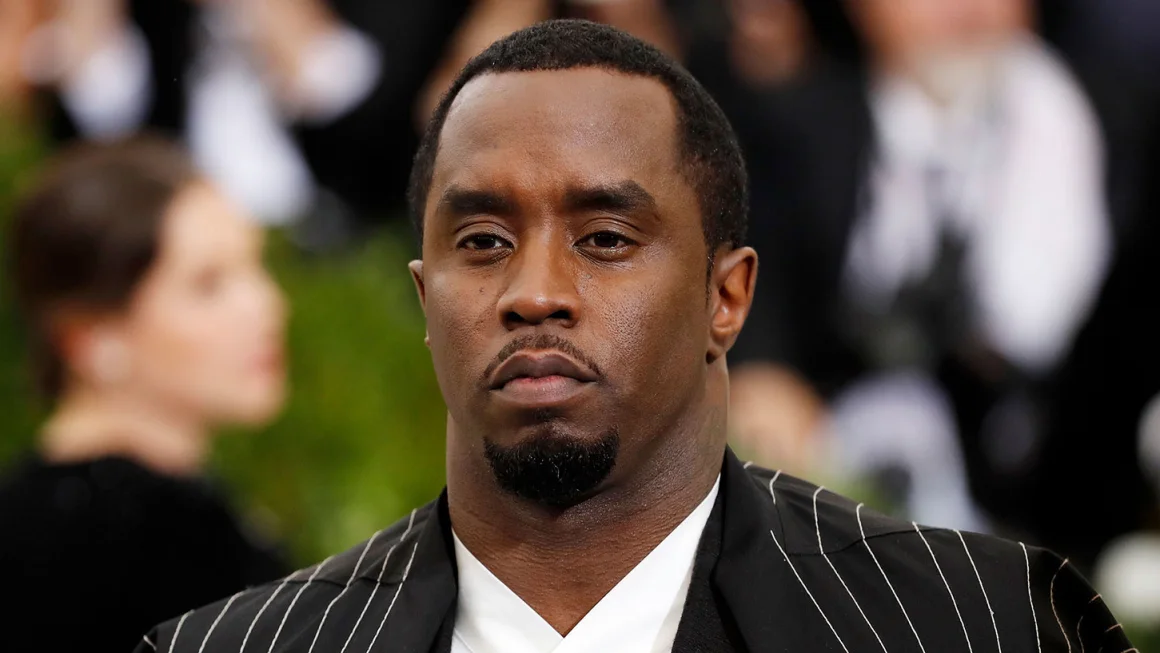
Diddy’s Legal Woes Spell Trouble for Some Major Hollywood Players

Sean Combs, widely known as Diddy, continues to be embroiled in a scandal that appears to be growing more serious each day, not only for him but for several of his Hollywood colleagues.

The influential music producer and three-time Grammy winner was recently refused bail, after having pleaded not guilty to multiple felony counts. His criminal trial is fast approaching.

After he was charged criminally, more allegations surfaced via a lawyer who is representing at least 120 plaintiffs that intend to file lawsuits against Diddy and others.

Speaking at a press conference, Texas attorney Tony Buzbee indicated that his clients will be alleging various sexual misconduct allegations against Diddy as well as additional defendants.

According to Buzbee, over 3,280 people have contacted his firm with allegations against the entertainment mogul. However, after vetting the claimants and their cases his law firm decided to represent a select 120 people. Additional potential cases are still under review.

The alleged abuses that will appear in the moving papers purportedly took place mainly at parties that were held in the states of New York, California and Florida, parties at which individuals were allegedly given drinks laced with drugs.

Some of the alleged conduct occurred at venues where individuals who were seeking to break into the entertainment industry were auditioning.

The allegations purportedly took place between the years 1991 and 2024.

According to Buzbee, the alleged victims that are planning to file suit consist of 60 males and 60 females. A shocking 25 of the plaintiffs were purportedly minors at the time of the alleged misconduct.

The purported young age of some of the alleged victims appears to be altering the nature and character of the allegations against Diddy.

Buzbee elaborated on the alleged circumstances of a nine-year-old boy who was taken to New York to audition for Diddy’s record label.

“This individual was sexually abused, allegedly by Sean Combs and several other people at the studio, in the promise to both his parents and to himself of getting a record deal,” the attorney said.

Buzbee provided details of another alleged incident involving a fifteen-year-old girl who was allegedly flown to New York City to attend a party, and who subsequently was allegedly drugged and raped in the presence of Diddy.

The attorney invoked the industry that is most likely to be impacted by Diddy’s case, that being Hollywood.

“The biggest secret in the entertainment industry, that really wasn’t a secret at all, has finally been revealed to the world,” Buzbee said to the press.

He then added the following words, which likely sent shivers across the Hollywood community:

“The day will come when we will name names other than Sean Combs, and there’s a lot of names…But the names that we’re going to name, assuming that our investigators confirm and corroborate what we’ve been told, are names that will shock you.”

Buzbee indicated that there are additional perpetrators, and said, “They already know who they are.”

Numerous household names have outward ties to Diddy. Some have been photographed with him. Many have attended his parties.

Hollywood is bracing itself for the day that A-listers in connection to the Diddy cases are named.

Anxiety is high over the very real possibility that careers and brands will be tarnished, whether by association with a Diddy allegation, or worse, by being named as a defendant in a criminal case or a civil one.

During a segment on “The Breakfast Club,” radio host Charlamagne Tha God opined that if Combs is convicted of racketeering and sex trafficking, others involved will likely be going to jail.

As for Diddy himself, he is completely denying the claims and allegations. His representatives have stated that he “cannot address every meritless allegation in what has become a reckless media circus.”

They added that Diddy “emphatically and categorically denies as false and defamatory any claim that he sexually abused anyone, including minors,” and stated that “he looks forward to proving his innocence and vindicating himself in court if and when claims are filed and served, where the truth will be established based on evidence, not speculation.”

Diddy is due back in court for a status conference on October 9, 2024, during which the court is expected to set a trial date. Prosecutors have also said that the investigation into alleged criminal activity is still ongoing.

In the meantime, Hollywood is holding its collective breath.

The Rise and Fall of Diddy’s Star

Sean “Diddy” Combs is a major figure in the world of hip-hop.

Also known as P. Diddy and Puff Daddy, Diddy is a rapper, music producer, and record executive.

He has been credited with the discovery and career guidance of many fellow artists, including Usher, Mary J. Blige, Faith Evans, and the Notorious B.I.G.

Diddy was arrested recently in New York City after being indicted by a federal grand jury.

The arrest and indictment came after a months-long sex trafficking investigation. Unfortunately for him, Diddy’s career had already been negatively impacted as the result of having been named a defendant in several lawsuits, which accused him of various forms of abuse.

According to the indictment, the charges that he now faces include racketeering, transportation to engage in prostitution, and sex trafficking.

The case has the capacity to garner an enormous amount of public attention, in part due to the disturbing subject of sex trafficking. It is also one that could cause irreparable harm to Hollywood’s image and reputation.

Although many in the media have routinely chosen to downplay the subject, the entertainment industry is a place where numerous allegations of similar activity have surfaced over the years.

While the mainstream press focuses on the hedonistic aspects described in the scenarios contained in the indictment, the case has much more profound implications, particularly when it comes to the serious abuses against real-life victims.

At the core of Diddy’s case is the charge of racketeering, which for the star means that he stands accused of leading an organized criminal enterprise, which involved a series of crimes being perpetrated.

The crime of racketeering was a key tool used in the past against the Mafia and the drug cartels. It is now being wielded against a well known Hollywood figure, which is difficult for a heretofore adoring public to process.

The indictment alleges that Diddy used his business entities, employees, and others to facilitate illegal activities that included kidnapping, arson, bribery, obstruction of justice, forced labor, coercion, narcotics offenses, prostitution-related transportation, and sex trafficking.

According to prosecutors, in order to conduct the criminal enterprise Diddy carried and exhibited firearms for the alleged purpose of threatening victims.

Law enforcement officials have stated that in the raids of his Los Angeles and Miami homes, guns and ammunition were found. In particular, officials allegedly discovered three AR-15 rifles with “defaced” serial numbers.

The prosecutors allege that those who surrounded the music mogul had used violent means to protect and sustain the star’s power over others, and they intend to present as evidence the infamous hotel-surveillance video, which shows Diddy engaged in what appears to be a particularly brutal assault of one of his victims.

Even though Diddy has not been charged with criminal assault in this indictment, his alleged penchant for violent acts is a key component of the racketeering charge.

An additional court document sets forth other acts of violence and intimidation allegedly committed by Diddy and his associates, including the brandishing of a gun to kidnap a victim and use of a Molotov cocktail to blow up a car. The same document indicates that fire department records, police reports, and witnesses are able to substantiate these claims.

Additionally, a prosecution memo states that “dozens” of witnesses are available to testify.

Many high-profile Hollywood celebrities, who in the past have had ties with Diddy, appear to have gone silent about his arrest and the multiple charges against him.

It is likely that professional handlers, agents, managers, publicists, and executives would have advised the celebrities within their charges to lay low. Entertainment figures who have carefully cultivated brands would be wise to fear being tainted with the alleged criminal activities.

Large swaths of select celebrities’ social media posts have been wiped clean in recent days.Some stars face the distinct possibility that they themselves may be held to account, if they have been involved in Diddy’s alleged illegal acts.

The lead prosecutor was asked a question about whether Diddy’s associates or employees are going to face charges. The prosecutor answered by saying that he “can’t take anything off the table.”

Diddy is being held without bail, as determined by a magistrate judge, who will not be handling the case. When a district court judge is assigned, Diddy’s lawyers are certainly likely to request that he be released on bail.

Why does this case matter?

It is because it places a glaring light on the dark issue of sex trafficking.

It is because it once again focuses attention on what can happen when power at the highest levels of an organization is misused and abused.

And most importantly, it has the potential to secure justice and to prayerfully bring a sense of closure to the innocent victims of what could be one of Hollywood’s most horrific stories.

TikTok Lawsuit May Forever Change Social Media

A lawsuit was recently brought against TikTok, which may end up altering the legal landscape for social media platforms operating in the U.S.

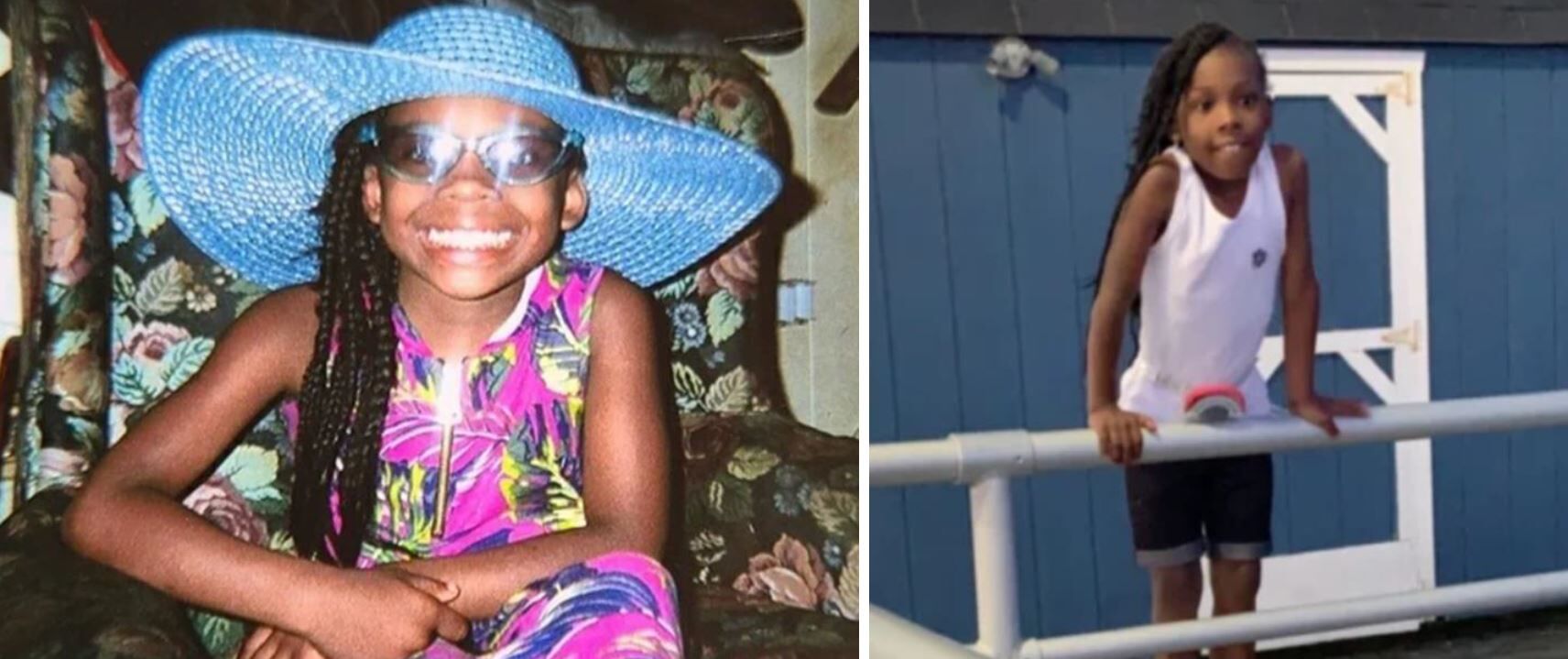
The lawsuit has its origins in the tragic death of a 10 year-old girl who, while engaging in a trendy but extremely dangerous activity on Tik Tok, sadly lost her life.

In 2021, young Nylah Anderson, was exposed to a viral meme in her TikTok feed. The video that presented itself was called “The Blackout Challenge.”

Social media platforms are loaded with supposedly cool game-like challenges, many of which are relatively harmless. But this particular challenge was anything but low risk.

Devastatingly for Nylah and her family, the specific activity that was advocated was to choke oneself until one lost consciousness. Nylah participated in the challenge and tragically passed away in the process.

Her family filed a lawsuit against TikTok, but the trial court threw out the case, based on the traditional statutory protections enjoyed by social media platforms.

However, a federal appellate court came to a different conclusion. The court held that the lawsuit could go forward because of the manner in which TikTok used its technology, finding that the platform’s algorithm may have promoted the harmful content that led to a fatal outcome for the young girl.

The court’s decision stated the following: “While no one person at TikTok curates content for anyone’s feed, it is fair to call the algorithm the arbiter, and the algorithm is programmed by TikTok…”

Social media platforms, such as TikTok, Facebook, Instagram, X (formerly Twitter), and others, have been protected by a 25 year-old law passed by Congress, which was intended to shield platforms that came into being during the internet’s infancy.

The early days of the internet featured platforms such as AOL, Compuserve, and Prodigy, which functioned as conduits that passively provided access to content, rather than actively influencing what would appear in users’ accounts.

Consequently, as part of the Communications Decency Act of 1996, protections were set up in order to shield these passive online services from liability for content that was posted by third parties.

For these early gateways to the web, revenue arrived in the form of subscription fees.

Today’s platforms have a completely different revenue model. Advertising as well as sharing user data comprise the primary sources of income.

The aim of modern social media companies is to acquire, and perhaps more importantly, to maintain its users.

The complex and sophisticated algorithm is the tool that enables a company to consistently maintain its users.

TikTok’s “For You” page, Facebook’s feed, Instagram’s recommendations, and X’s “For You” page are controlled by algorithms that learn what an individual likes to view, and subsequently, based on knowledge of a person’s interests, bring content from other users into the individual’s account. 

In essence, not only do modern social media platforms provide access to content, but they curate what users see via pre-programmed algorithms.

The TikTok lawsuit could have major implications for all of the major modern social media companies, since they all use algorithms to curate content.

If Nylah’s family prevails in its lawsuit, the resulting precedent could mean an effective end to the legal protections under which social media concerns have been operating.

TikTok, Facebook, Instagram, X, and other platforms would then face a significant shift from the protections they have enjoyed under Section 230 of the Communications Decency Act.

In order to avoid future liability, modern social media platforms would be legally responsible to re-design their algorithms in such a way as to prevent the delivery of harmful content.

It very well may be that loss of a precious life will spell the beginning of the end to the outdated legal protections that social media platforms have been enjoying at the expense of the innocent ones.

Matthew Perry’s Passing Becomes a Criminal Case

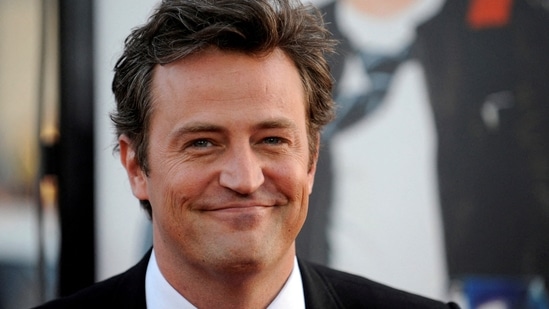
Matthew Perry’s Hollywood tale is all too familiar. A talented celebrity prematurely dies due to a lethal dose of prescription drugs.

Perry’s untimely death from a prescription drug overdose is one of the more recent Hollywood tragedies.

His starring role as Chandler Bing on the massively successful NBC television sitcom “Friends” thrust him into the international spotlight. The show ran from 1994 to 2004 and remains in syndication to this day.

Perry also appeared in numerous other television shows and feature films.

In October 2023, he left the earthly realm at age 54. An autopsy indicated that he died from the acute effects of a drug called “ketamine.”

The ketamine that killed him is an off-label application of a medication, which is FDA-approved for sedation but can also assist people who suffer from treatment-resistant depression.

Ketamine is highly dangerous when used outside of a clinical facility and without experienced mental health professionals controlling the drug’s administration and monitoring its effects.

Perry was found to have ketamine in his body at a level much higher than the blood level typically used to treat depression.

Circumstances surrounding his death have taken on a different tenor in more recent days and are being examined within the context of criminality, due to the investigative work of multiple law enforcement agencies, including the DEA, Los Angeles Police Department, United States Postal Service, and the U.S. Attorney’s Office.

Five people have now been criminally charged in connection with Perry’s death.

Having had previous struggles with addiction, his addicted state recurred prior to his death. This placed him in a vulnerable position with regard to the actions of the five defendants.

The two lead defendants in the case are a doctor known as “Dr. P.,” and a woman reportedly known as “The Ketamine Queen,” who is accused of selling Perry the ketamine that took his life.

The prosecutor indicated he has evidence that defendant “Dr. P.” was aware of the danger of the drug in Perry’s case and also knew that Perry’s addiction had returned. Despite these factors, the doctor continued to offer ketamine to Perry.

According to the prosecution, the evidence indicates that the doctor allegedly provided altered and falsified medical records, which allegedly sought to influence the investigation into Perry’s death.

The female defendant is accused of selling ketamine over a two-week period to Perry, including the batch that took the actor’s life.

The charges are serious. If convicted, “Dr.P.” faces a maximum of 120 years in federal prison. The alleged female drug seller faces a maximum sentence of life in prison.

Three other defendants, including a second doctor, an alleged distributor, and the actor’s assistant, are pursuing plea bargains for their respective charges.

The second physician is accused of selling ketamine to the female alleged drug dealer, a male individual is accused of distributing the drug, and Perry’s live-in assistant stands accused of administering the ketamine on the day Perry died.

All three defendants have admitted in court documents to their respective accusations as part of their plea deals. Due to the strength of the case, it is highly likely that the plea agreements will include cooperation with the prosecution, which would ostensibly make the case against the two lead defendants even stronger.

According to the indictment, the defendants allegedly used encrypted messaging and coded language that referred to ketamine as “Dr. Pepper” in order to hide the actual name of the drug.

The actor’s family, including Perry’s mother and stepfather, has reportedly received some comfort from the prosecutorial efforts.

They indicated in a statement that “…it [prosecutorial efforts] has helped to know law enforcement has taken his case very seriously.”

The pursuit of fame is no doubt on the rise in this Hollywood nation of ours.

Is it the result of social media, TikTok, or the influencers phenomenon?

Yes and no.

At our core we are social creatures, ever-needing one another’s approval, acceptance, and love. Fame is a type of quantifiable measure of how much of these intangibles one has accrued.

The arc of fame also has a life of its own, with successes, failures, joys, sorrows, and so on. The public is frequently unable to process this reality.

So folks are understandably confused and wondering how a tragedy such as Perry’s could have occurred.

Perry was different from other celebrities, though, in that he had an openness about his struggles. I view this as a gift he gave to his fans.

He allowed folks to peer into his world, was honest about his struggles, and let it be known in a humble way that one can achieve lofty levels of fame and fortune and appear to “have it all,” yet still be plagued by depression, addiction, heartache, and the like.

Sad that the lyrics of the “Friends” theme song didn’t ring true for the fallen star.